Solar System Explorer
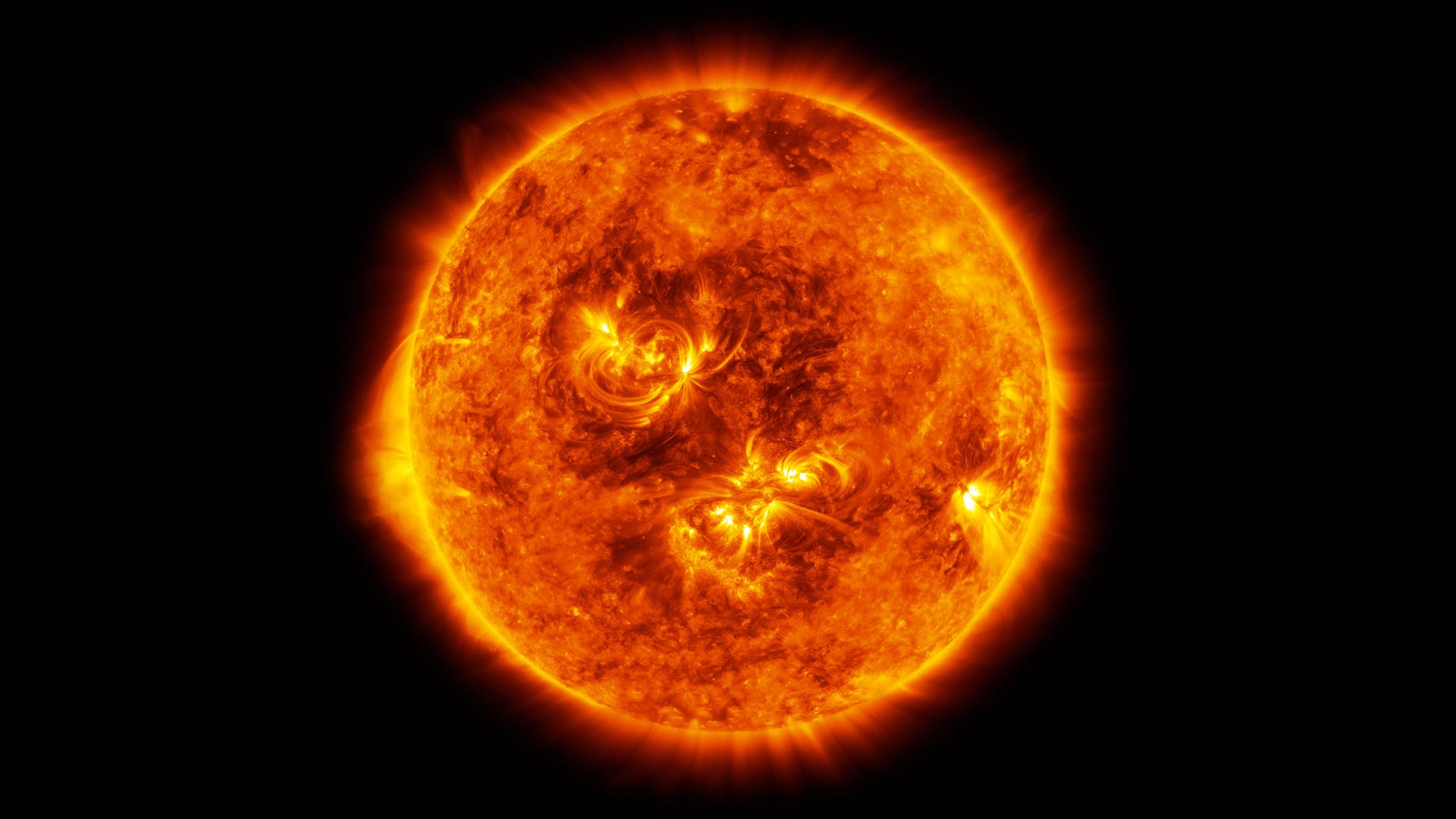
The Sun
TYPE: Yellow Dwarf (G2V) DIAMETER: 865,370 miles TEMPERATURE: 9,930° F
The Sun is the center of our solar system. It provides heat, light, and energy for all life on Earth through nuclear fusion.
Next Planet: Mercury
Solar System Explorer
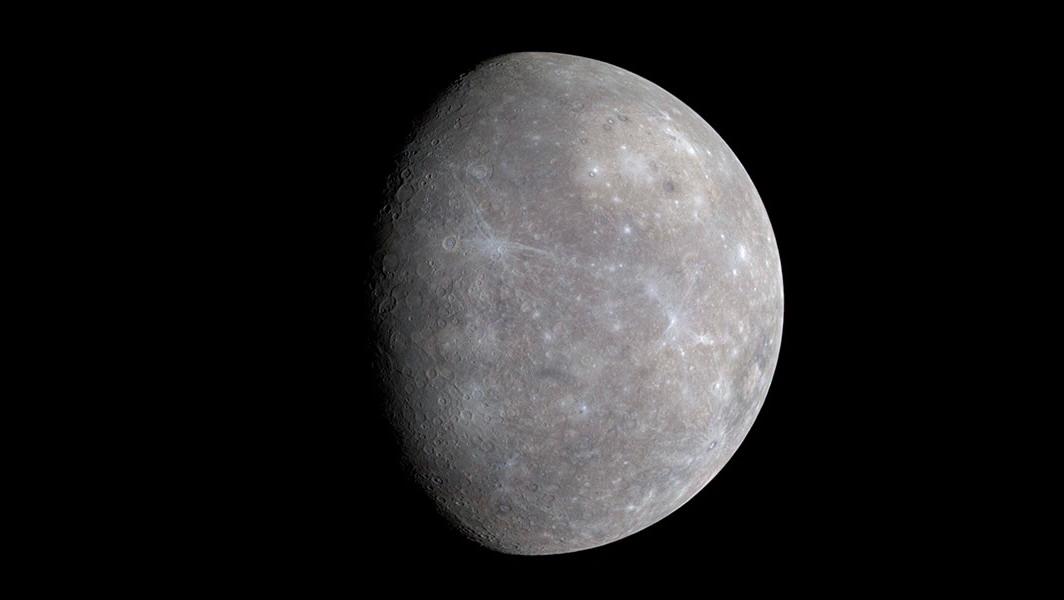
Mercury
TYPE: Terrestrial DIAMETER: 3,039.1 miles DISTANCE: 48 million miles from Earth TEMPERATURE: -290° to 800° F
Mercury is the smallest planet and the closest to the Sun. Its temperature varies greatly (ranging from extremely hot during the day to extremely cold during the night) because Mercury has no atmosphere. It has the fastest orbit of any planet, completing one cycle in about 88 days.
Next Planet: Venus
Solar System Explorer
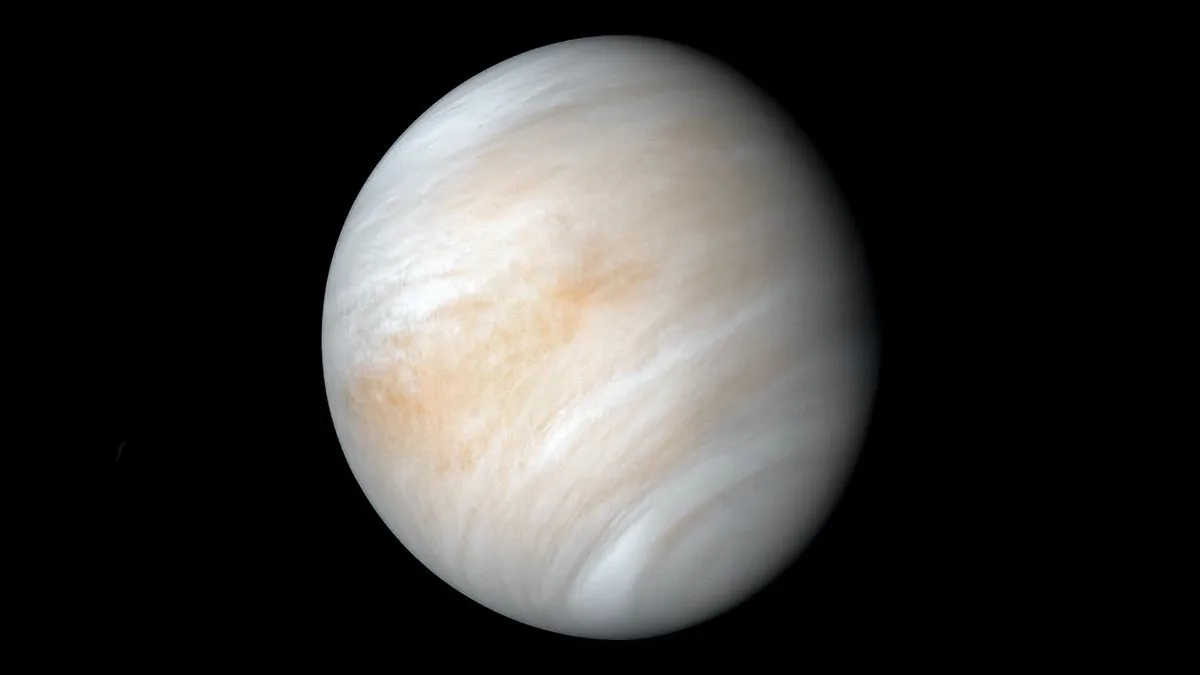
Venus
TYPE: Terrestrial DIAMETER: 7,520.8 miles DISTANCE: 37.637 million miles from Earth TEMPERATURE: ~867° F
Venus is the hottest planet in the solar system with temperatures up to almost 900° F. This is because Venus has a thick CO₂ atmosphere. Venus rotates in the opposite direction that Earth rotates. A day on Venus is also longer than a year on Venus (A Venus day is 243 Earth days. A Venus year is 225 Earth days).
Next Planet: Earth
Solar System Explorer
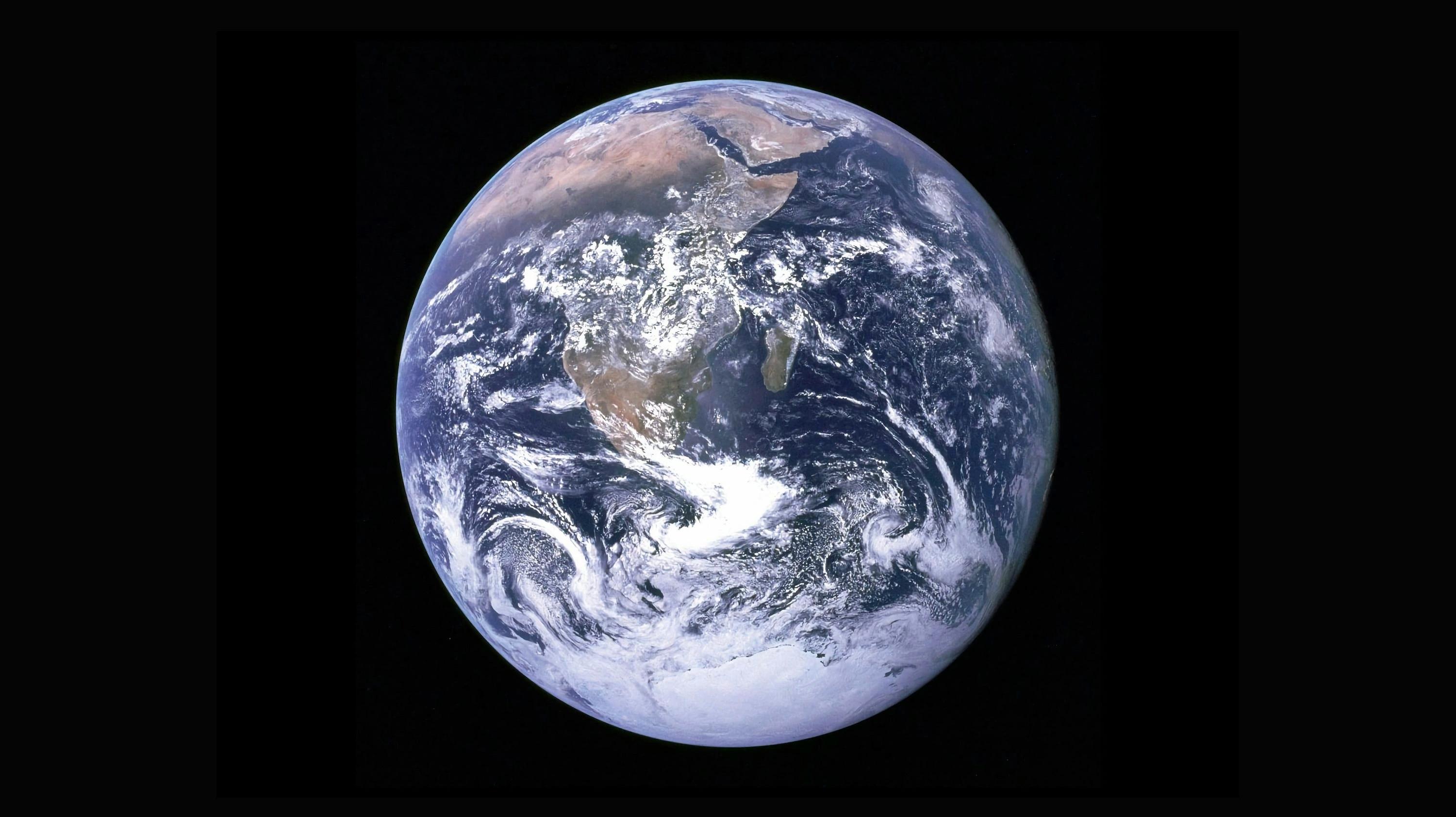
Earth
TYPE: Terrestrial DIAMETER: 7,926.2 miles DISTANCE: 91.965 million miles from the Sun TEMPERATURE: 59° F
Earth is our home. About 71% of Earth's surface is covered with water, and it is the only known planet with life. Earth has a rich atmosphere that protects us from solar radiation, and is orbited by our moon.
Next Planet: Mars
Solar System Explorer
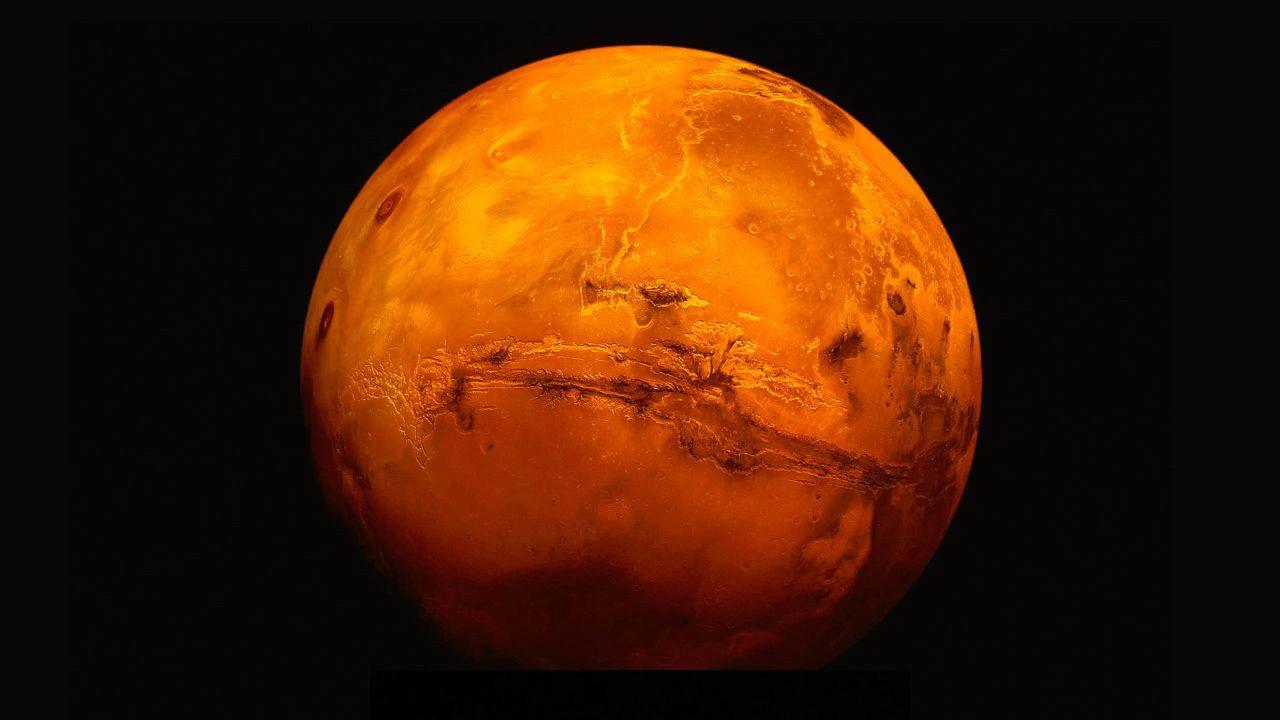
Mars
TYPE: Terrestrial DIAMETER: 4,212.3 miles DISTANCE: 140 million miles from Earth TEMPERATURE: -225° to 70° F
Mars is popularly known as The Red Planet. It has a thin CO₂ atmosphere that is not conducive to complex life. However, Mars has many ancient riverbeds and ice caps, which point to the possibility of prior life. It is also home to the largest volcano in the solar system, Olympus Mons!
Next Planet: Jupiter
Solar System Explorer
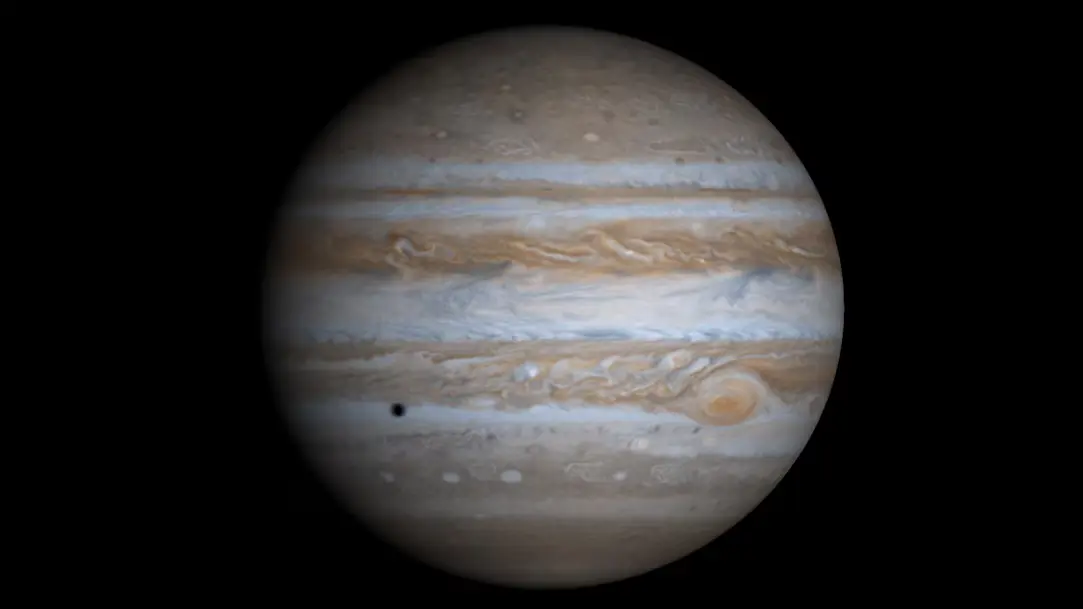
Jupiter
TYPE: Gas Giant DIAMETER: 86,881 miles DISTANCE: 484 million miles from Earth TEMPERATURE: -162° F
Jupiter is the largest planet in the solar system. It's so big that you can fit over 1,300 Earths inside of it. Jupiter is home to a massive storm called the 'Great Red Spot', which has been raging for at least 150 years. It is also home to the largest moon in the solar system, Ganymede.
Next Planet: Saturn
Solar System Explorer
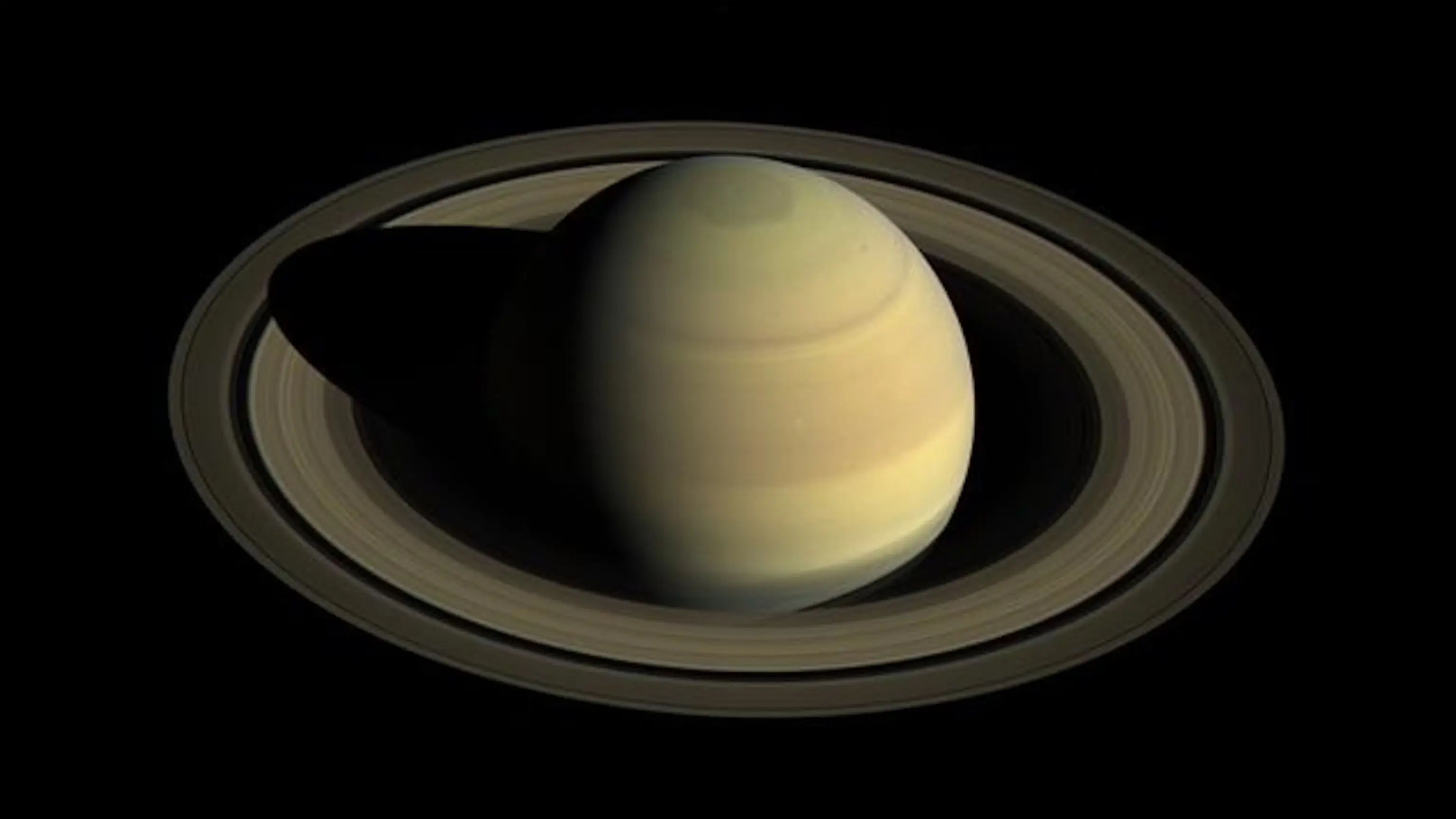
Saturn
TYPE: Gas Giant DIAMETER: 72,367 miles DISTANCE: 888 million miles from Earth TEMPERATURE: -288° F
Saturn is orbited by a ring system made of ice and rock. Saturn is the second largest planet in the solar system, and is home to over 100 moons. It is the least dense planet, being even less dense than water! Saturn has a unique, hexagonal atmospheric feature at its north pole consisting of six jet streams and a raging storm in the center.
Next Planet: Uranus
Solar System Explorer
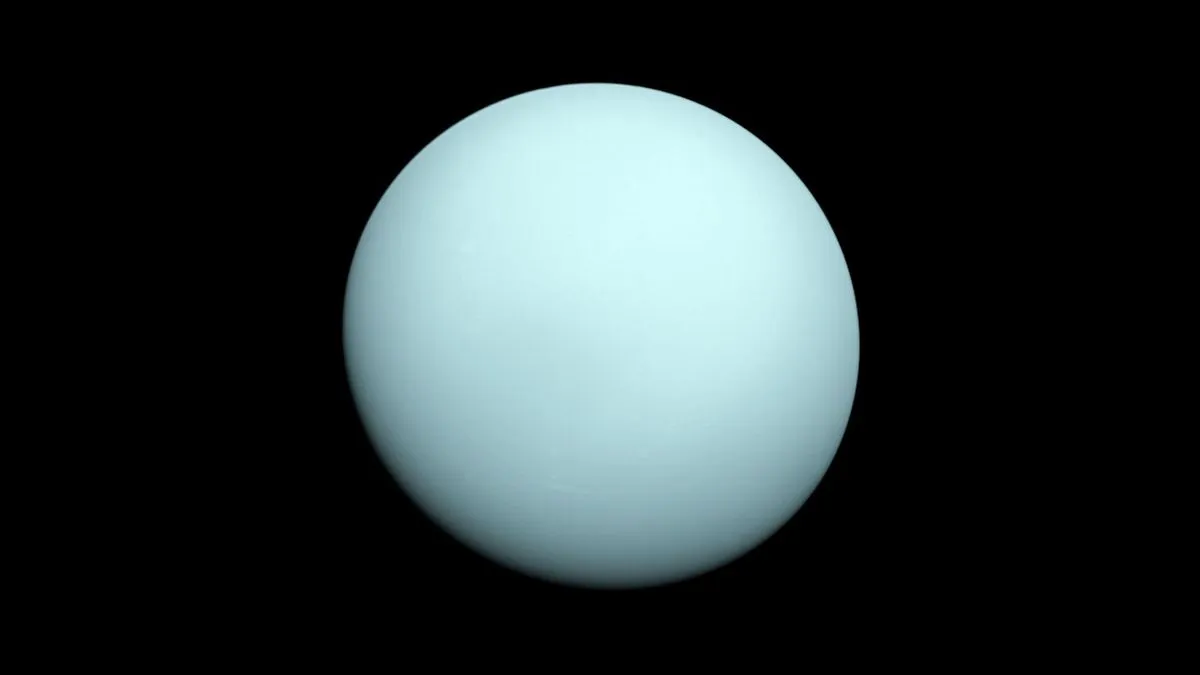
Uranus
TYPE: Ice Giant DIAMETER: 31,518 miles DISTANCE: 1.8 billion miles from Earth TEMPERATURE: -357° F
Uranus is one of two ice giants in our solar system. It is blue-ish green in color because of the abundant methane in its atmosphere. Uranus rotates on its side (like a rolling ball) and holds the record for the coldest temperature in our solar system. It also has 13 rings orbiting it, but they are faint compared to Saturn's rings.
Next Planet: Neptune
Solar System Explorer
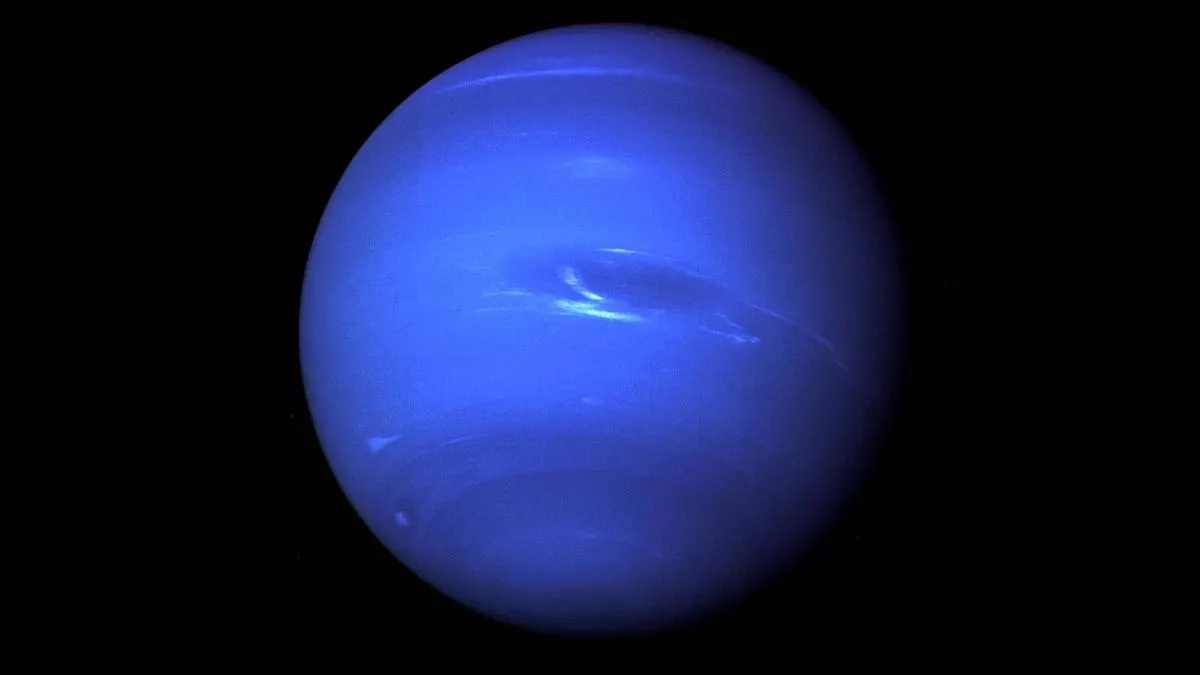
Neptune
TYPE: Ice Giant DIAMETER: 30,599 miles DISTANCE: 2.8 billion miles from Earth TEMPERATURE: -373° F
Neptune is the last planet in our solar system. The second of the ice giants, it is also the windiest planet with supersonic storms up to 1,500 miles per hour. Neptune also possesses a strong magnetic field that is believed to be about 27 times more powerful than Earth's own.
Next Planet: Solar System
Our Solar System
A 2D animated solar system built with CSS animations and orbital motion.